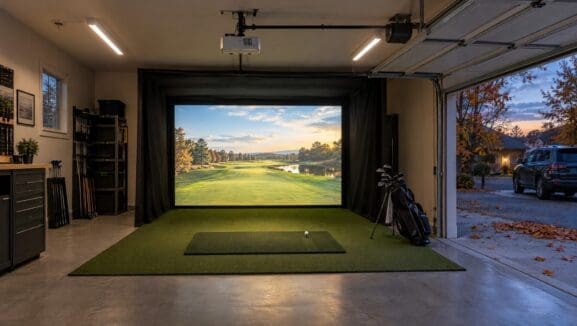

Starting a Golf Simulator Business in 2026: Costs, Equipment, Marketing & What Actually Works
Quick Answer: Launching a successful golf simulator business in 2026 requires a startup investment between $55,000 and $700,000+, depending on venue size, equipment, and services. Top revenue drivers include memberships, food and beverage, and creative event programming. The indoor golf market is projected to reach $4.5 billion by 2026 with annual growth of over 11%. Always visit local venues and compare reviews at GolfSimSpot.com before making business decisions.
Table of Contents
- Indoor Golf Market Overview
- Startup Costs Breakdown
- Essential Equipment Guide
- Location & Space Requirements
- Business Models & Revenue Streams
- Marketing Strategies That Fill Bays
- Retention & Event Ideas
- Common Mistakes to Avoid
- Frequently Asked Questions
- Citations & Sources
Disclaimer: This article is for informational purposes only. It does not constitute professional, financial, or legal advice. Readers should consult qualified experts before making decisions based on this content.
Indoor Golf Market Overview
Indoor golf simulator businesses are part of a surging global industry. The market is expected to reach $4.5 billion by 2026, growing at a steady 11–12% annually. Participation is fueled by technology improvements, consumer demand for year-round play, and the rise of “eatertainment” venues that combine social activities with golf experiences.
Golf simulators are no longer just for practice—they now anchor social leagues, corporate events, and family activities. According to Mordor Intelligence, more than 28 million Americans visited simulator venues in 2024, surpassing driving ranges for the first time. Operators who offer varied amenities and events see higher retention and profits.
“Our weekday leagues fill up months in advance—people want golf, food, and a social scene all in one. It’s changed how communities approach the game.”
—GolfSimSpot interview, 2025
Startup Costs Breakdown
Costs depend on size, location, and service level. Small venues with 2–3 bays can launch for $55K–$230K, while larger facilities with full bars and social spaces can run $350K–$700K+. Most of the budget goes to equipment, buildout, commercial rent, and legal/licensing fees.
- Simulator hardware: $12K–$45K per bay (premium models like TrackMan I/O and Foresight GCQuad).
- Space and build-out: $50K–$200K for construction, decor, and seating.
- Insurance and permits: $2K–$10K annually, including liability and liquor coverage.
- Working capital: $15K–$75K for payroll, marketing, utilities, and ops in the first six months.
Budget extra for unpredictables. One Houston owner on Reddit warned, “Our cost overruns were 30% above projections. We needed a cash reserve to handle slow months and equipment repairs.” If financing, manufacturers and banks now offer sim-specific loan programs.
Essential Equipment Guide
Your launch monitor is the heart of your business. Commercial units should offer precision, durability, and easy calibration—important for frequent league and competitive play.
- TrackMan I/O: Best for premium setups with advanced analytics and visuals. Expect $18K–$30K+ per bay.
- Foresight GCQuad: Highly rated for camera-based accuracy in smaller spaces ($15K–$24K per bay).
- Impact screens & enclosures: $2K–$8K, crucial for safety and realistic graphics.
- Commercial hitting mats: $500–$1.5K for comfort and shock absorption.
- Projector & PC: $1.5K–$5K, for 4K resolution and lag-free simulation.
“I went with the SIG10 Square Golf kit and couldn’t be happier. The enclosure, hitting mat, and screen withstands heavy use, and customers love the image quality.”
—GolfWRX forums
Add-ons like club rental, ball dispensers, and bar integration enhance the experience and increase average spend. Choose equipment known for reliability, and always demo models at local venues before buying.
Location & Space Requirements
Space with >9ft ceilings is essential for safe play. Plan 200–300 sq ft per bay, plus extra for lounge areas, food service, and events. Industrial lofts, strip‑mall units, or flex commercial spaces are popular for cost and parking.
Check zoning for F&B service, liquor licenses, and event hosting. Insurance (liability, property) averages $1,200–$2,500/year depending on features. ADA accessibility is increasingly required in new builds.
- Best locations: Busy suburban corridors or urban entertainment districts.
- Accessibility: Visibility, signage, and evening/weekend access drive walk-in traffic.
“After struggling in a low-visibility space, we moved next to a brewery and filled weekend bookings instantly.”
—Reddit, r/golfsimulatorbusiness
Business Models & Revenue Streams
Operators succeed by diversifying offerings. Top venues blend walk-in hourly rentals ($30–$80/hr), monthly memberships ($80–$300+), premium instructional packages, and events.
- Hourly rentals: Great for new clients. Packages drive repeat business.
- Memberships: Recurring revenue ensures stability. Off-peak perks worth offering for retention.
- Food/beverage: 35–50% of gross sales at social venues. Unique menus outperform generic snacks.
- Leagues & events: Leagues fill slow days, while parties and fundraisers boost profits.
Automated 24/7 access and loyalty apps further reduce labor costs and keep bays full after hours.
“Our leagues started as a side project but now generate over $7K a season—plus keep bar traffic steady.”
—GolfSimSpot member
Marketing Strategies That Fill Bays
Early, sustained marketing makes the difference. Begin campaigns 60–90 days pre-launch and prioritize local SEO.
- Optimize Google Business Profile and encourage reviews to boost local visibility.
- Use Instagram Reels and TikTok for event highlights and funny moments.
- Partner with local breweries for joint promotions and event nights.
- Offer founder discounts or free trials to sign early memberships.
Community engagement matters. Sponsor charity tournaments, support school sports, and run themed nights that make the venue a local hub.
“Email automation helped us fill summer slow slots—targeted deals go straight to our member base.”
—Reddit, r/golfsimulatorbusiness
Retention & Event Ideas
Retention stems from delivering memorable experiences, not just golf. Regular leagues, creative events, and robust loyalty programs keep customers returning and referring friends.
- Host singles mixers, speed-dating tournaments, and college nights for new audiences.
- “Cart girl” drink service and themed social nights create unique talking points.
- Offer discounts and perks for birthdays, group bookings, and referrals.
Gamify with monthly leaderboards and offer prizes for top scores. A branded app for reservations and results increases engagement year-round.
“We added Sunday family play and saw weeknight bookings spike as kids brought their parents back.”
—Reddit, r/golfsimulatorbusiness
Events boost average revenue per customer by 25% or more in most mature markets.
Booking and payment software is the recurring cost that scales with your bay count. We compared what nine golf simulator booking platforms actually charge, including which ones unlock the door for unstaffed hours.
Common Mistakes to Avoid
- Underestimating costs: Equipment repairs, rent spikes, and summer slowdowns hit cash flow. Keep six months’ expenses in reserve.
- Poor location: Hidden venues and inadequate parking severely limit growth.
- Skipping marketing: Weekly content, reviews, and local SEO must be ongoing.
- Ignoring F&B quality: Food and drink drive ticket size, reviews, and event bookings.
- Complicated memberships: Two or three well-defined options work; too many confuse staff and customers.
“If I could do it over, I’d budget for more events and a better kitchen—those drive all the repeat business.”
—GolfSimSpot owner interview
Frequently Asked Questions
How much revenue can a golf simulator business generate?
Single bays can earn $4K–$22K/month. Mid-sized venues typically gross $300K–$850K/year with leagues, events, and F&B boosting margins.
What’s the average profit margin?
Entertainment models average 17–25% EBITDA; membership-only facilities and 24/7 unmanned venues can hit 35–60% with lower overhead.Which location type is best?
Dense suburbs and entertainment districts with high traffic and visibility outperform rural or hard-to-find spaces. Ensure >9ft ceiling and clear parking.
Do I need golf experience?
No—hospitality, sales, and marketing expertise matter more than golf skills. Hire PGA pros for training and keep your focus on growth.
When does a golf simulator business break even?
Most operations reach break-even within 12–18 months—founder engagement and multi-channel marketing are key.